A Seasonal Checklist for Looking After Houseplants
Use changes in light, soil, growth and room conditions to adjust houseplant care through the year, without relying on a rigid watering schedule.
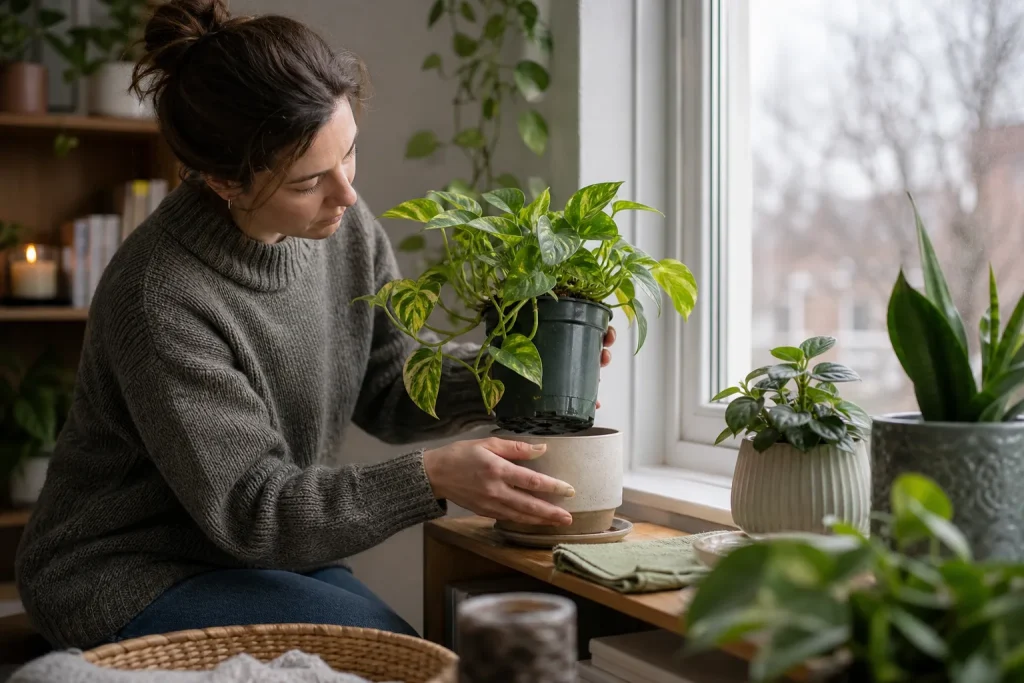
A pot beside a bright winter window may receive less direct sun than it does in summer, while soil that dried quickly in warm weather may stay damp longer in a cool room. Before changing a houseplant’s routine with the season, check what has actually changed and respond to the plant in front of you.
Check the conditions before changing care
- Light: Observe whether the leaves receive direct sun, bright indirect light or mostly shade. If new growth stretches toward the window, move the plant gradually to a brighter position; if leaves develop pale, dry patches on the window-facing side, try a sheer curtain or a spot set back from the glass.
- Soil moisture: Press a finger into the potting mix or insert a clean wooden skewer below the surface. If the mix is still damp, wait and check again later; if it has dried to the depth appropriate for that plant, water thoroughly and let excess drain.
- Drainage: Check for a drainage hole and standing water in a saucer or outer pot. If water is collecting, empty it and make sure the inner pot can drain; if the container has no hole, use it as a cover around a draining pot rather than leaving roots in water.
- Pot weight: Compare how heavy the pot feels after watering with how it feels as the mix dries. If it remains heavy and damp unusually long, check for a blocked drainage hole or compacted mix; if the soil is dry and the pot feels lighter, use the plant’s moisture needs to decide whether it is time to water.
- Growth and fertilizer: Look for new leaves, expanding stems or fresh shoots, and read the fertilizer label. If growth is active and species-specific care guidance supports feeding, follow that guidance and the product directions; if the plant is stressed, recently repotted or sitting in wet soil, pause and seek advice specific to the plant before applying fertilizer.
- Room conditions: Check whether leaves touch cold glass or sit in a direct stream from a radiator, air conditioner or frequently opened exterior door. If they do, move the plant away from that exposure; if crispy edges or leaf drop continue, also check soil moisture and light rather than assuming dry air is the only cause.
- Leaves and soil surface: Look under leaves and along stems for sticky residue, fine webbing or small insects, and check the soil surface for fallen leaves or a musty smell. If you see possible pests, isolate the plant while identifying the issue; if leaves are simply dusty, wipe broad leaves gently with a damp, soft cloth.
- Recent changes: Note the date, location, soil condition and visible symptoms on a phone or plant tag. If several conditions changed at once, avoid making another adjustment until you can assess the response; if one change preceded a clear improvement or decline, use that observation to guide the next check.
Adjust one condition at a time
Shorter days and cooler rooms often slow growth and drying, but the effect varies by plant, pot and growing medium. Check the soil rather than watering because a calendar reminder says it is time. In bright, warm conditions the mix may dry sooner, but heat alone is not a reason to water.
When changing a plant’s position, start with a modest move and observe it before moving it again. A plant shifted from a shaded corner to a bright sill may need time to adjust. Avoid repotting, pruning, fertilizing and relocating a struggling plant all at once: separate changes make it easier to notice which condition may be contributing to its response.
Fertilizer advice is specific to the plant and product. Read the label and consult reliable care guidance for the species, especially if the plant is stressed, recently repotted, or growing in persistently wet mix. Do not use fertilizer as a remedy for poor light, damaged roots or unsuitable watering. If you are unsure whether feeding is appropriate, wait and ask a knowledgeable plant-care professional.
Read symptoms in context
Drooping, yellowing, crispy edges and leaf loss can have more than one cause. Check soil moisture, drainage, light and recent room changes before acting. A plant that wilts while its soil is wet may have a root or drainage problem; adding water without checking could worsen the situation.
Keep sensitive plants away from direct blasts of heat or cold air, and make sure leaves do not touch cold window glass. Grouping plants may provide a more sheltered spot, but it does not replace appropriate care for each plant. If possible pests appear, isolate the plant and identify the issue before choosing a treatment; confirm that any treatment is suitable for both the plant and the pest.
Work through a seasonal change
Hypothetical worked example: Imagine a pothos in a plastic nursery pot inside a ceramic cover on a bright living-room shelf. As autumn light fades, the mix remains damp and a lower leaf turns yellow. First, the owner lifts the nursery pot out and finds standing water in the cover. Next, they empty the cover, check that the nursery pot’s drainage holes are open and place it back only after excess water has drained. They then move the plant a little closer to the window, while keeping its leaves away from cold glass, and check the mix before watering again. The resulting decision is to wait while the soil remains damp and observe for further yellowing or fresh growth before making another change. This approach helps narrow down which conditions may matter; slower growth while the room is dim is a possible tradeoff.
Use the checklist as a set of observations, not a seasonal timetable. A brief note about the plant’s location, soil and visible response can make the next check more useful. If its condition keeps worsening or its care needs are unfamiliar, describe the conditions and symptoms to a knowledgeable local plant-care specialist.
You might also enjoy

How Shared Household Customs Take Shape
Household traditions rarely begin with a grand plan. They grow from small, repeatable actions that people…
Why Some Everyday Objects Feel Easier to Use
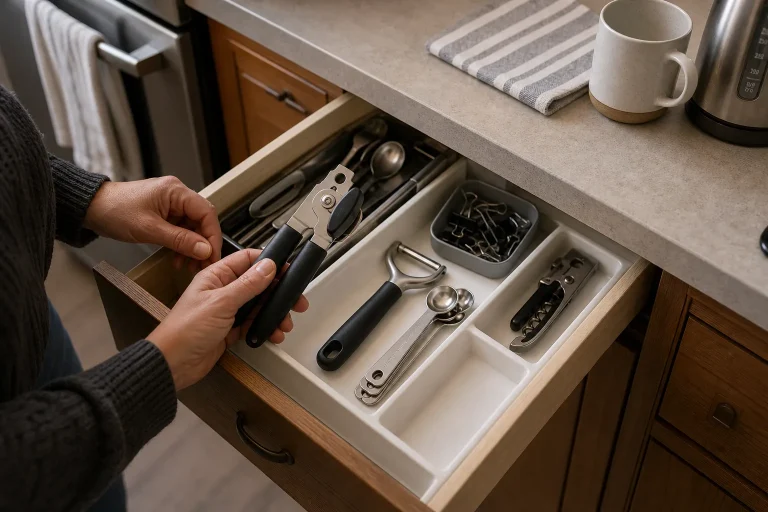
A hypothetical kitchen drawer shows how visibility, clear feedback and comfortable handling can make an everyday…